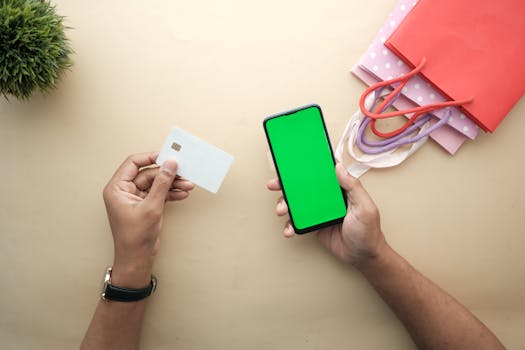

Are you eyeing the latest smartphone but find the upfront cost a significant hurdle? The conventional wisdom often points to credit cards for EMI purchases, but what if your financial toolkit primarily features a debit card? The ability to buy mobile on EMI with a debit card is a growing reality, offering a democratized pathway to owning advanced technology without depleting your savings. It’s a nuanced process, demanding an analytical approach rather than a simple transactional mindset.
The Evolving Ecosystem of Debit Card Financing
Gone are the days when EMI options were exclusively tethered to credit card accounts. Fintech innovation and a deeper understanding of consumer financial behavior have paved the way for alternative financing models. Now, a significant number of retailers, both online and offline, are partnering with financial institutions to offer EMI schemes that can be activated using a debit card. This isn’t a universal offering, and the mechanics can vary, but for the discerning consumer, it’s an avenue worth exploring.
The core principle remains the same: spreading the cost of a purchase over a period of months. The difference lies in the source of the funds. Instead of a revolving credit line, the EMI amount is typically debited directly from your linked bank account, aligning closely with how you manage your day-to-day finances. It’s less about incurring debt and more about structuring payments from existing funds.
Unpacking the Mechanics: How Debit Card EMIs Work
So, how does one actually buy mobile on EMI with a debit card? The process generally involves a few key steps, often facilitated through the retailer’s point-of-sale (POS) terminal or their online checkout page.
Eligibility Check: The first hurdle is determining your eligibility. This usually involves verifying your debit card details and linking them to your bank account. Banks often have pre-approved eligibility criteria based on your account history, average balance, and transactional patterns.
Product Selection: You select the mobile phone you wish to purchase. It’s crucial to note that not all mobile phones or all retailers will offer this facility. High-value items and popular models are more likely to be included.
EMI Tenure Selection: You’ll be presented with various EMI tenures – typically ranging from 3 to 12 months, sometimes longer. The longer the tenure, the lower your monthly installment will be, but the higher the overall interest paid.
Transaction Approval: Upon selecting your tenure, the transaction is processed. This may involve an OTP (One-Time Password) sent to your registered mobile number for authentication. The initial amount, often comprising processing fees or the first EMI, is deducted from your account.
Subsequent Debits: For the remaining tenure, the monthly EMI amount is automatically debited from your linked bank account on a pre-determined date.
It’s essential to understand that “debit card EMI” doesn’t mean your debit card is providing you with credit. Instead, it acts as an intermediary. The bank assesses your account’s health and offers to convert a lump sum purchase into installments, drawing the funds directly from your savings or current account. This often means your account must have sufficient balance to cover the EMI amount on the due date.
Navigating the Nuances: Fees, Interest, and Hidden Costs
While the prospect of acquiring a new mobile without a credit card is appealing, it’s vital to approach the process with an analytical mindset. The allure of “no cost EMI” can sometimes mask underlying charges.
Processing Fees: Many banks levy a processing fee for setting up the EMI facility, which is usually a percentage of the loan amount. This fee is often deducted upfront.
Interest Rates: While some offers might be advertised as “no cost EMI,” this usually means the retailer is absorbing the interest cost. In reality, interest is often factored into the product price, or a nominal interest rate is applied. Always scrutinize the Annual Percentage Rate (APR) if available.
Pre-payment Charges: If you decide to close your EMI plan before the tenure ends, you might incur pre-payment penalties. These can range from a fixed fee to a percentage of the outstanding amount.
Late Payment Penalties: Similar to credit cards, failing to maintain sufficient balance for your EMI deduction will result in late payment charges and potentially impact your credit score.
In my experience, the most transparent way to approach this is to calculate the total cost of the mobile phone with EMI and compare it with the outright purchase price. If the difference is negligible or zero, then the “no cost” aspect holds true. However, if there’s a discernible increase, it signifies that the interest is indeed being borne by you, albeit indirectly.
Beyond the Basics: Eligibility and Alternative Paths
Understanding the prerequisites for using your debit card for EMI is crucial. Generally, you’ll need:
A Savings or Current Account: The debit card must be linked to an active bank account.
Sufficient Balance: Maintaining an adequate balance to cover EMIs is paramount. Banks often have minimum balance requirements.
Bank-Specific Offers: Eligibility and the availability of such schemes are heavily dependent on your bank. Some banks are more proactive in offering these products than others.
Retailer Partnerships: Not all retailers participate. You’ll find these options more prevalent with larger electronics chains and online marketplaces.
For those who might not qualify or prefer other avenues, exploring options like Buy Now Pay Later (BNPL) services that might integrate with debit card payments, or even exploring personal loans with flexible repayment structures, could be viable alternatives.
Strategic Considerations for Smart Consumers
The ability to buy mobile on EMI with a debit card is a valuable financial tool, but like any tool, its effectiveness hinges on judicious use.
Budgeting is Key: Before committing, ensure the monthly EMI fits comfortably within your overall budget. Overextending yourself, even with installment payments, can lead to financial strain.
Compare Offers: Don’t settle for the first offer you encounter. Retailers and banks may have different terms, interest rates, and processing fees. A little comparison shopping can save you money.
Read the Fine Print: This cannot be stressed enough. Understand all fees, charges, and conditions associated with the EMI plan.
Ultimately, leveraging your debit card for mobile EMIs is about smart financial management. It’s about enabling access to technology without compromising your immediate financial stability. By understanding the mechanisms, potential costs, and strategic considerations, consumers can make informed decisions that align with their financial goals.
Final Thoughts: Empowering Your Mobile Upgrade
The landscape of consumer financing is constantly evolving, and the rise of debit card EMIs for significant purchases like mobile phones signifies a move towards greater accessibility and flexibility. While the convenience is undeniable, a prudent approach—characterized by thorough research, meticulous budgeting, and a keen eye for the fine print—is paramount. Empowering yourself with this knowledge allows you to navigate the options effectively and ensure your next smartphone acquisition is not just a purchase, but a financially sound decision.